









Anti-mites
Les mites s'attaquent silencieusement à vos vêtements en laine, cachemire et fibres fragile. Pour les repousser sans produits chimiques, le bois de cèdre, le vétiver et l'huile essentielle de cèdre sont des solutions efficaces et respectueuses de vos textiles comme de votre intérieur.





Why do moths attack clothes?
Textile moths are small insects related to butterflies. It is their larvae, not the adult moths, that damage clothes by feeding on the fibers. They primarily target natural keratin-rich materials such as wool, cashmere, or silk.
Moths thrive in dark, quiet, and poorly ventilated spaces such as closets or wardrobes, especially on clothes that are rarely worn or stored without being washed. Without adequate protection, they can quickly cause small holes to appear in textiles.

How to identify clothes moths?
Moths are discreet, but certain signs are unmistakable:
- small, irregular holes in clothes
- weakened fibers, especially on wool or cashmere
- a localized presence in a drawer or cupboard
At the first signs, it is recommended to act quickly with a suitable anti-moth solution to protect your textiles and prevent their degradation.
Cedarwood and vetiver: effective moth repellents
Cedarwood and vetiver are known for their moth-repelling properties. Their powerful scent acts as a repellent, keeping textile moths away without the need for chemicals.
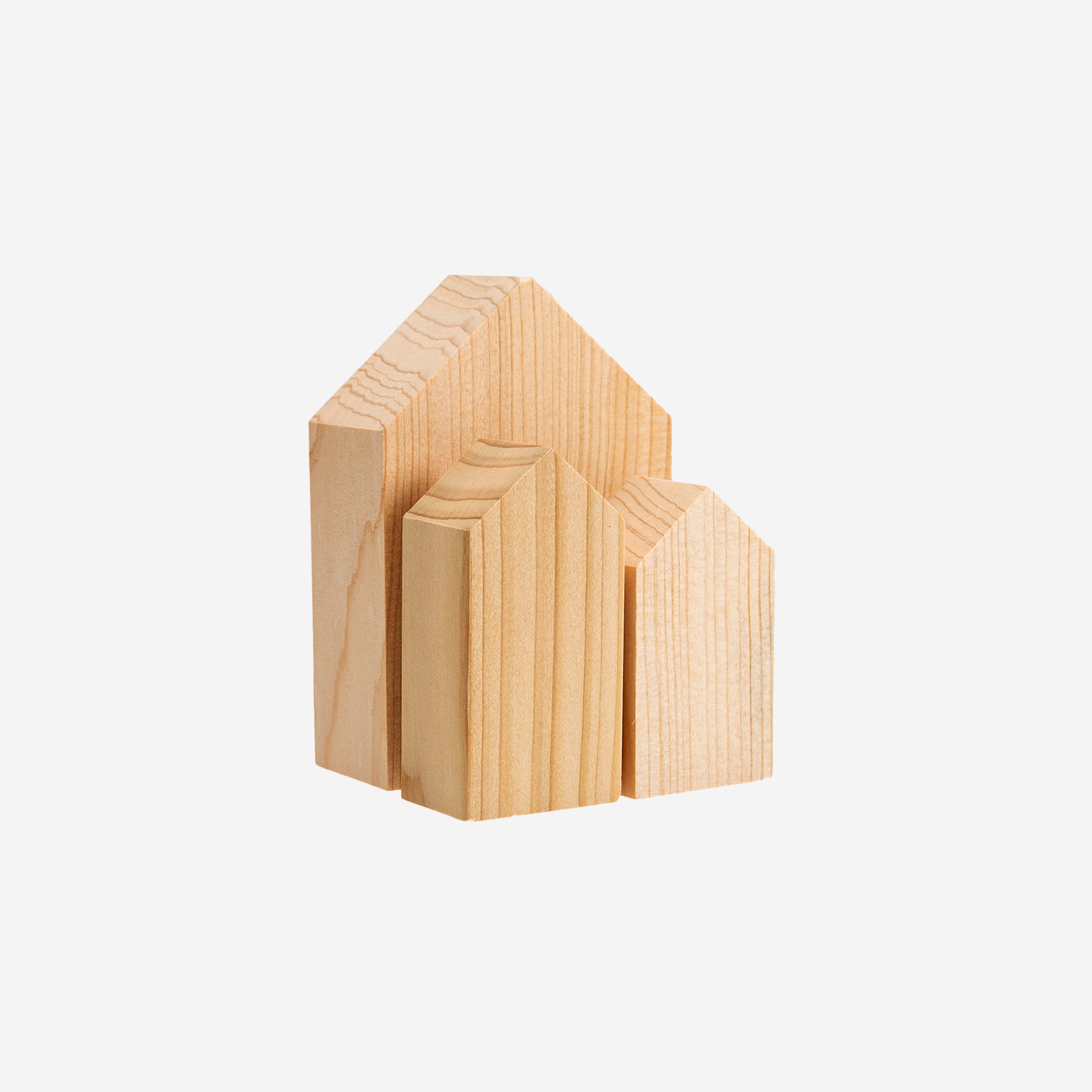
Used in closets, drawers, or dressers, they create an unfavorable environment for moths while leaving a pleasant scent on your laundry. Cedarwood emits a long-lasting woody fragrance, while vetiver offers an alternative to protect and perfume textiles daily.
How to use a moth repellent in your cupboards and wardrobes?
A few simple steps can help protect your clothes for a long time:
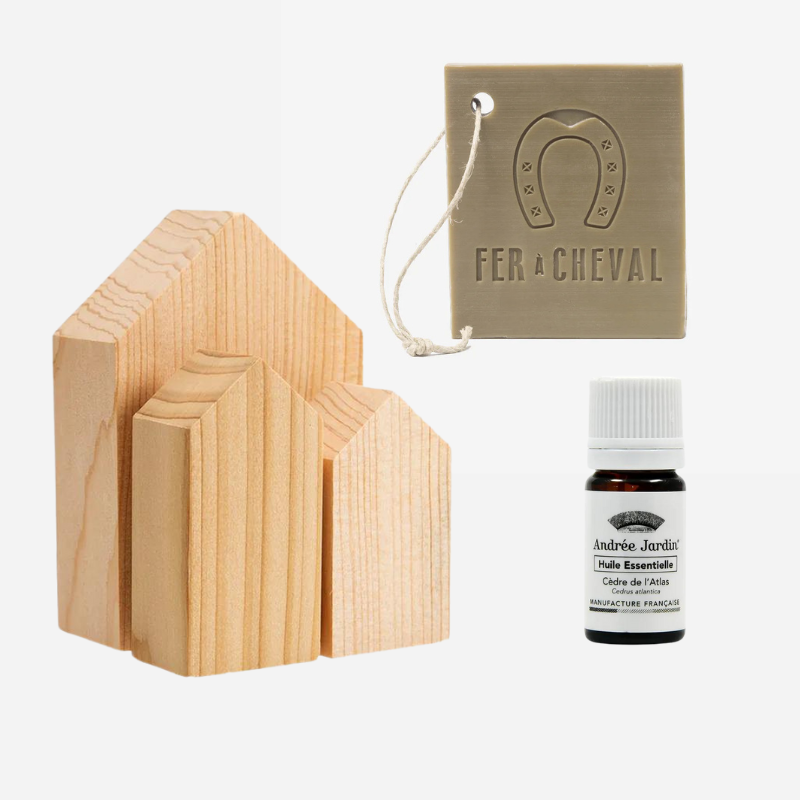
- place cedar blocks on shelves and in cupboards
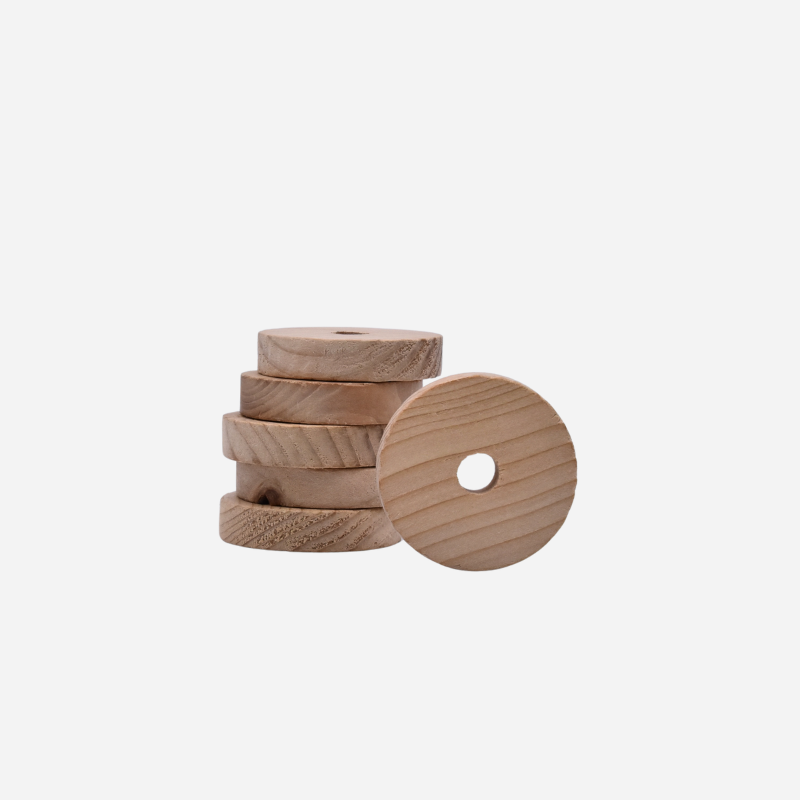
- slip cedar rings onto hangers
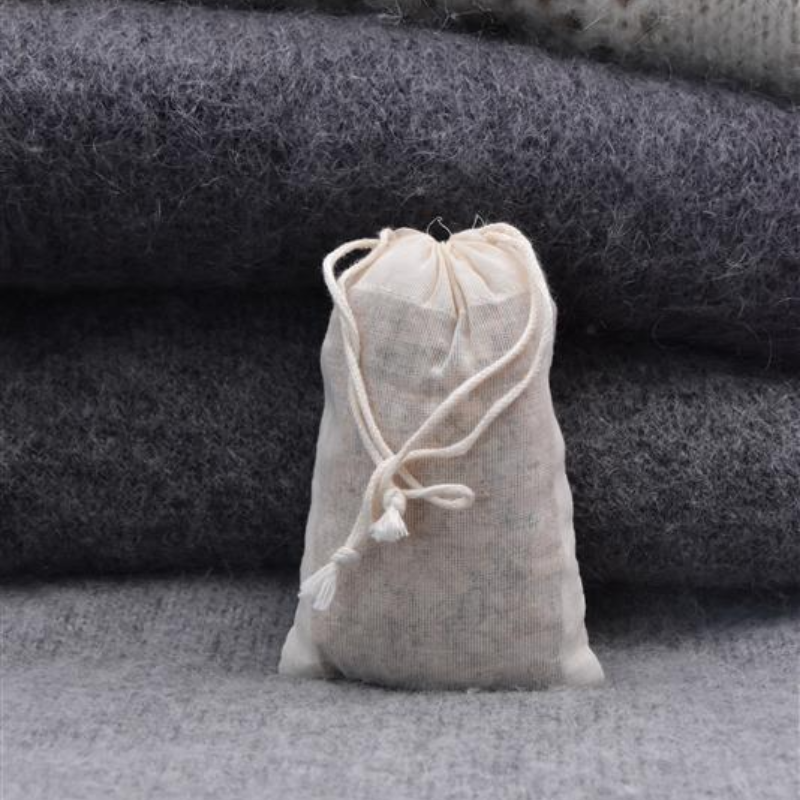
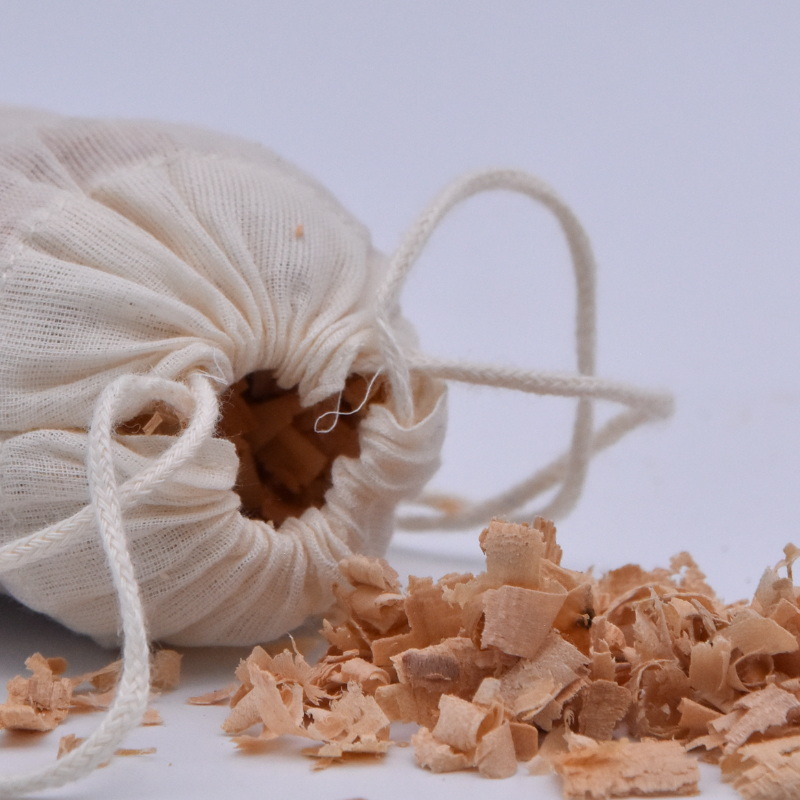
- place cedar chip sachets between folded clothes
- distribute moth repellents throughout the wardrobe
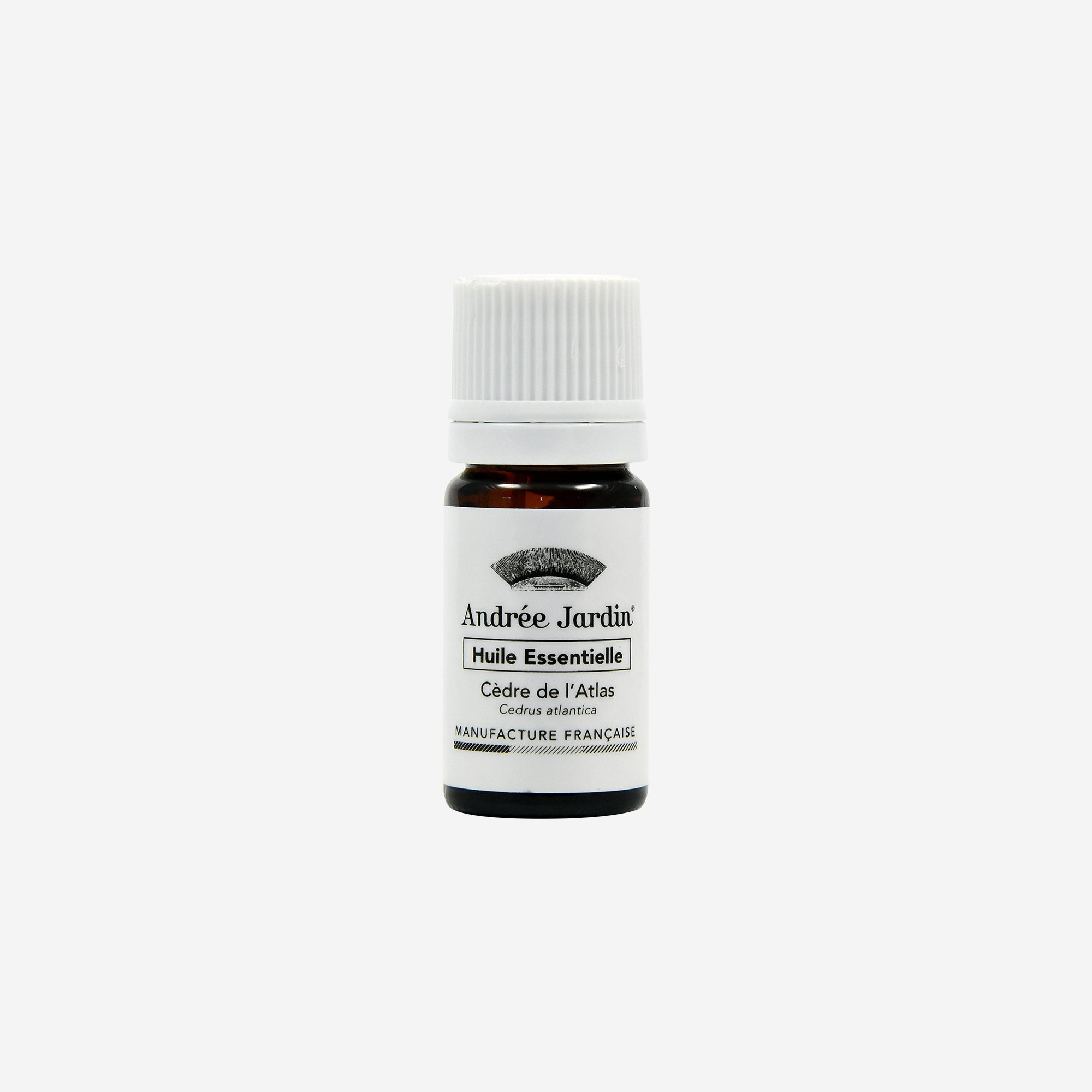
To maintain their effectiveness, it is advisable to regularly revive their fragrance, especially with a cedar essential oil.